Feeling down or overwhelmed? You are not alone. According to the National Institute of Mental Health, 1 in 5 adults in the U.S. experience some type of mental health condition each year, ranging from occasional anxiety or mild depression to other mental health disorders.
While many lifestyle factors influence how we feel, one of the most important is how – and what – we eat. Food not only fuels your body, but research shows that your eating habits affect your brain function as well. Food for thought…literally!
Here are seven research-backed eating habits that can help boost your mood:
Eat regularly. Eating regular meals helps to keep your blood sugar stable and your digestive system moving. When you go too long between meals your blood sugar level drops, which can cause you to feel run down and irritable. But also remember that eating foods higher in sugar and fat can leave you feeling sluggish and uncomfortable. The trick is to find options that help you feel your best.
Consuming balanced meals and snacks frequently helps to stabilize your blood sugar. Choose a combination of lean proteins, healthy fats, and complex carbohydrates for each meal and snack, and space out your meals for a smooth mood (and blood sugar level) throughout the day.
Check out our tips for building better bites on the go.
Stay hydrated. In addition to eating regular meals, it is important to properly hydrate throughout the day to improve cognition and keep your digestive system moving. Dehydration can lead to feelings of fatigue and low energy, so drinking plenty of water is key to keeping your mind and body feeling fresh.
Click here to learn more ways to meet your fluid needs.
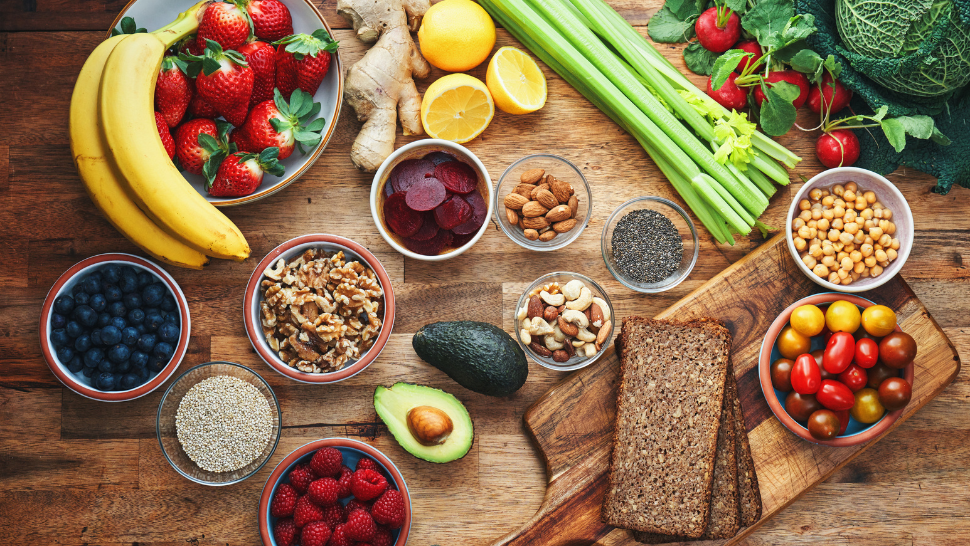
Eat a variety of fruits and vegetables. Fruits and vegetables are not only packed with nutrients, but they can also help boost your mood. Studies have shown that people who eat a diet rich in fruits and vegetables are more likely to report higher levels of happiness than those who don’t. In addition to providing vitamins and minerals, meals with colorful fruits and vegetables provide fiber to improve digestion and antioxidants, many of which play a role in the creation of happiness hormones like serotonin and dopamine.
Learn how to include more fruits and vegetables in your diet.
Power up with protein. Protein provides the building blocks for the chemicals in your brain that regulate your mood. Eating a little protein with meals and snacks can help you feel fuller for longer and keep your energy levels up. Some sources of protein include plant-based options like beans, lentils, soybeans, nuts, and seeds, as well as lean meats, fish, eggs, and cheese.
Power up your meals with these plant-based proteins.
Balance the fats. Fat matters – your body (and brain) need fats and you should consume them in small amounts. Your brain needs fatty acids, such as omega-3 and omega-6, to keep it running at its best. But on the other hand, extremely high fat foods have been shown to be detrimental to your physical and mental health.
Rather than avoiding fats altogether, focus on eating nutrient rich sources of fat such as oily fish, nuts (especially walnuts and almonds), olive and sunflower oils, seeds (such as sunflower and pumpkin), and avocados.
Get the lowdown on dietary fats.
Limit caffeine intake. Caffeine is a stimulant that can give you a quick burst of energy, but consuming too much may lead to some people feeling anxious or depressed. Food and drinks containing caffeine are also known to disturb sleep and may cause withdrawal symptoms when you stop consuming them regularly. Cut down on your caffeine intake by switching from coffee, tea, or cola to decaffeinated versions of these beverages – or better yet, opt for water.
Boost energy with these foods instead.
Share meals with others. In a world where we’re constantly on the go (or stuck inside), sitting at the table for a meal with family or friends might feel like a luxury. But taking a break and eating with others offers many benefits that may play a role in weight management, disease risk, and even mental health. Studies have shown that sharing mealtimes with other people can help boost brain function and improve your mood by helping you connect with others over a meal.
Make meals social for better health.
As you can see, a few simple shifts in how – and what – you eat can have long-lasting benefits on your physical and mental health. If you are struggling with your mental health, talk to a doctor or therapist about ways that you can improve your mood through diet and other lifestyle changes.